ESS is a broad term that means energy storage system, while BESS is a narrower term that means battery energy storage system. In other words, every BESS is an ESS, but not every ESS is a BESS.
It does so by making electricity supply more flexible, more controllable, and more responsive to sudden changes in demand or renewable generation. Battery storage can react in seconds, which helps the grid maintain frequency, support voltage, smooth renewable power fluctuations, and deliver backup power during disturbances.
Energy storage systems are available in several main forms, and each type serves a different technical and commercial purpose. According to the U.S. Department of Energy, the most common grid scale storage technology is pumped hydropower, while the storage technologies most often paired with solar projects are electrochemical batteries and thermal storage.
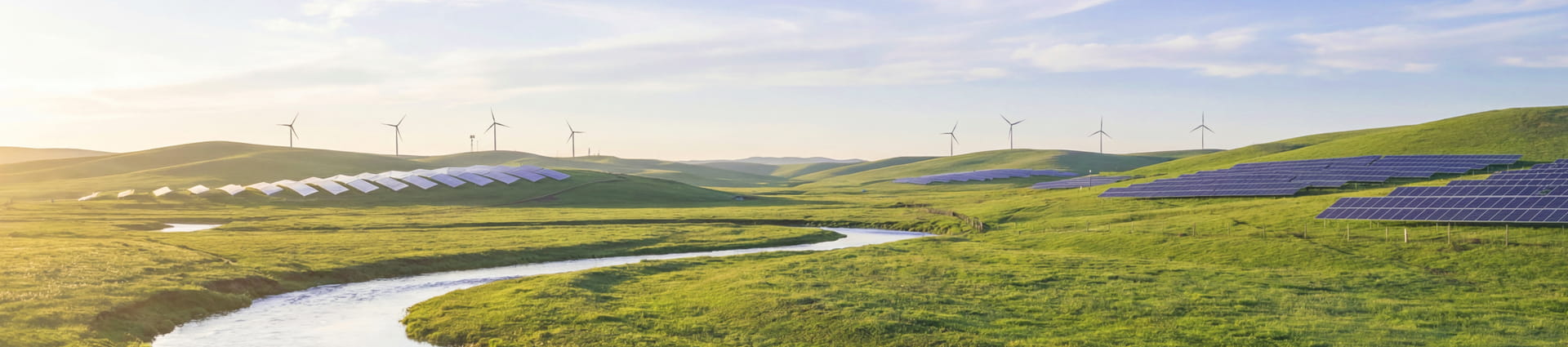
Energy storage systems are important for renewable energy because solar and wind do not generate electricity in a constant pattern. Storage makes that power usable when demand is high, sunlight is low, or wind output changes quickly.
Battery energy storage systems store electricity by converting electrical energy into chemical energy during charging, then converting it back into usable electricity during discharge.
An energy storage system is a complete solution that stores electricity for use when generation drops or demand rises. In practical terms, it charges when power is available and discharges when power is needed, helping users improve energy reliability, peak shaving, self consumption, and backup capability.