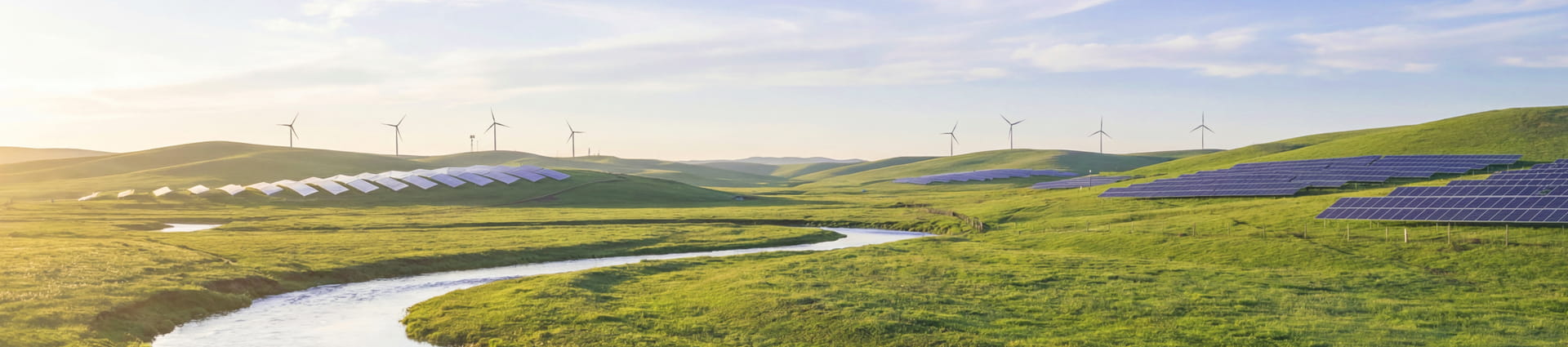
Energy storage systems are important for renewable energy because solar and wind do not generate electricity in a constant pattern. Storage makes that power usable when demand is high, sunlight is low, or wind output changes quickly. The U.S. Department of Energy explains that storage helps solar contribute electricity even when the sun is not shining and smooths variations on the grid. The International Energy Agency also says battery storage is now one of the most versatile tools for short term power system flexibility, supporting wind and solar integration, grid balancing, capacity provision, and renewable energy shifting to peak demand periods.
The importance of this role is rising fast. The IEA reports that variable output from solar PV and wind is set to raise their share of global electricity generation from 17 percent today to 27 percent by 2030, which increases the need for grids and flexibility resources. In parallel, battery storage installations have grown more than 20 fold in capacity over the past five years, showing that the market now treats storage as a core part of renewable power development rather than an optional add on.
For project buyers, manufacturer vs trader is a practical issue. A manufacturer usually has better control over cell matching, structure design, battery management logic, testing workflow, and delivery consistency. A trader may offer sourcing convenience, but process visibility is often weaker. That is where wentai can stand out. With a manufacturer based approach, wentai can support engineering review, controlled production, and more stable repeat supply, which matters when renewable energy projects require dependable performance across multiple installations.
OEM and ODM process is another key point. Renewable energy projects often need changes in voltage range, cabinet structure, communication protocol, or installation form. A reliable supplier should start with application analysis, then move through design review, sample validation, compliance planning, pilot testing, and mass production control. This process reduces mismatch risk before the order enters bulk release.
Manufacturing process overview and quality control checkpoints also affect long term value. A strong factory should manage cell grading, module assembly, harness routing, battery management integration, insulation protection, charge and discharge testing, and aging verification in a defined workflow. Buyers should also review material standards used for enclosures, cables, connectors, and thermal protection parts. These details influence safety, product life, and field reliability more than quotation sheets usually show.
Bulk supply considerations should include batch consistency, lead time stability, spare parts planning, packaging standards, and documentation readiness. Export market compliance must also be checked early because transport, safety, and technical documentation directly affect delivery and project approval. A useful project sourcing checklist should cover application target, system capacity, inverter compatibility, production control, test records, packaging method, and compliance documents.
Energy storage systems are important for renewable energy because they turn variable generation into dispatchable power. They improve flexibility, support reliability, and help renewable electricity create more real operating value. For buyers comparing suppliers, the best decision often comes from choosing a manufacturer like wentai that can combine product capability with process control, customization support, and disciplined delivery execution.