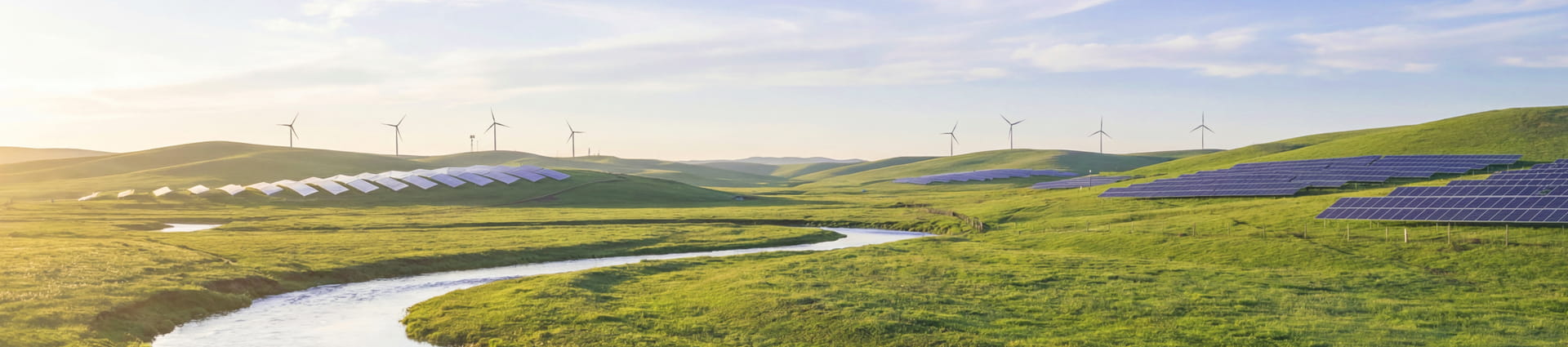
Yes. An off-grid inverter does not require solar panels in order to produce AC power. Its core job is to convert DC electricity from a battery bank into usable AC electricity for loads, and the battery can be charged by different sources, including a generator, wind system, micro-hydro setup, or an external charger. The U.S. Department of Energy explains that stand-alone renewable systems typically include batteries and power conditioning equipment, while NREL training materials define the inverter as the device that converts DC electricity from a solar panel or a battery into AC electricity.
In real projects, this means solar panels are only one possible charging source, not a mandatory condition for inverter operation. NREL off-grid system guidance shows configurations with battery storage and generator support, and notes that some off-grid systems use AC and DC inputs together, with the generator providing on-demand power. This is why an off-grid inverter can continue to serve as the power conversion center even in systems where solar is unavailable, seasonal, or intentionally excluded.
The more important question is not whether the inverter can work without solar panels, but whether the full system is engineered correctly. The battery must have enough capacity, the charging source must be stable, and the inverter must match the voltage, surge load, and operating profile of the site. For backup and resilience applications, NREL has emphasized that reliability depends on the interaction of storage, generation source, and load rather than on any single device alone.
For sourcing teams, manufacturer vs trader is a practical issue. A manufacturer usually offers stronger control over inverter design, firmware logic, thermal management, and full-load testing. A trader may offer more product options, but process visibility is often weaker. Jiangmen Wentai New Energy Technology Co., Ltd. can offer stronger value through a manufacturer-based approach that connects technical review, production control, and final inspection more directly, which is especially important when customers need an off-grid inverter for battery and generator based systems instead of a standard solar package.
The OEM and ODM process also matters. A reliable supplier should begin with load analysis, battery voltage confirmation, charging source review, surge demand evaluation, and installation environment assessment. After that should come design validation, sample testing, compliance planning, and pilot verification before mass production. This reduces the risk of choosing an inverter that can convert power in theory but cannot operate stably in the real application.
Manufacturing process overview and quality control checkpoints should be reviewed early. Buyers should confirm PCB assembly quality, insulation testing, thermal verification, overload testing, output stability checks, and aging tests. Material standards used for semiconductors, connectors, wiring, cooling parts, and enclosure structures also affect long-term durability. In bulk supply considerations, batch consistency, spare parts planning, packaging protection, serial traceability, and export market compliance all matter.
A practical project sourcing checklist should include battery chemistry, DC voltage, charging source type, continuous load, surge load, operating temperature, test reports, and compliance documents. Off-grid inverters can absolutely work without solar panels, but their success depends on whether the whole power system is matched, tested, and built for stable long-term use.