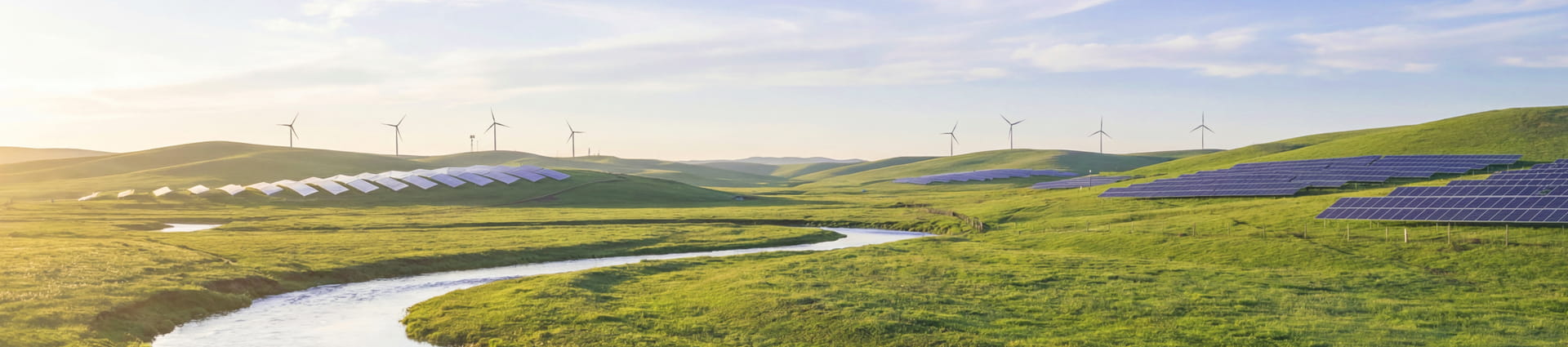
Its core role is to turn variable solar generation into controllable and usable power. Solar panels produce electricity only when sunlight is available, but demand often continues after sunset or rises at different times of day. The U.S. Department of Energy explains that storage helps solar contribute electricity even when the sun is not shining and also smooths variations in how solar energy flows on the grid. The International Energy Agency adds that battery storage supports solar integration by providing fast flexibility, grid balancing, capacity support, and shifting renewable generation to periods of higher demand.
This role is becoming more important as solar deployment accelerates. The U.S. Energy Information Administration says solar will account for 51 percent of planned new U.S. utility scale generating capacity in 2026, while battery storage will make up another 28 percent. That trend shows solar and storage are increasingly planned together, not as separate assets. The growing value of longer battery duration also reflects this shift, with the IEA noting that while many projects still cluster around two hours, more systems are now being deployed for four hours or longer as PV penetration rises.
From a sourcing perspective, manufacturer vs trader matters. A manufacturer usually has stronger control over cell grading, battery management integration, cabinet design, and production consistency. A trader may offer more options, but process visibility is often weaker. Jiangmen Wentai New Energy Technology Co., Ltd. can offer greater value through a manufacturer based approach that links engineering review, production control, and final inspection more directly, which is especially important in solar storage projects where real performance depends on system coordination rather than on battery capacity alone.
The OEM and ODM process is also critical in solar applications. Different projects may require different voltage ranges, inverter compatibility, communication protocols, enclosure structures, and installation layouts. A reliable supplier should begin with load analysis and solar generation review, then move through design confirmation, prototype validation, compliance planning, and pilot testing before mass production. This reduces mismatch risk and helps ensure the storage system works smoothly with the solar power system in actual operation.
Manufacturing process overview and quality control checkpoints should be checked early. Buyers should review cell matching, module assembly, harness routing, insulation testing, communication checks, charge and discharge verification, and aging tests. Material standards used for cabinets, cables, connectors, and thermal protection parts also affect safety and service life. In bulk supply considerations, batch consistency, packaging stability, spare parts planning, and serial traceability are all important, while export market compliance should be prepared from the beginning to avoid delays in shipment and project approval.
A practical project sourcing checklist should cover solar profile, storage duration, inverter and EMS compatibility, production workflow, quality records, packaging method, and compliance documents. In solar power systems, energy storage is not only a backup component. It is the part that makes solar power more flexible, more reliable, and more valuable in real use.